This is the 4th post in my series on becoming AI native as a designer.
For part 3, go here: I launched my first vibe-coded app in 1 hour 47 minutes
My family ancestry is Tewa, an indigenous people from Northern New Mexico. For thousands of years, my people have adapted to the land. Learning which crops survive in the high desert with very little rain. Aligning peak planting times to precise celestial events. Reading the night sky to know when to act.
Our neighbors, the Tiwa people of Taos, live in the oldest continuously occupied multi-family dwelling in North America. UNESCO dates it to 1000 AD. Can you even imagine? A thousand years of people waking up in the same apartments, adapting to every century. Over and over again. That’s stability. That’s sustainability.
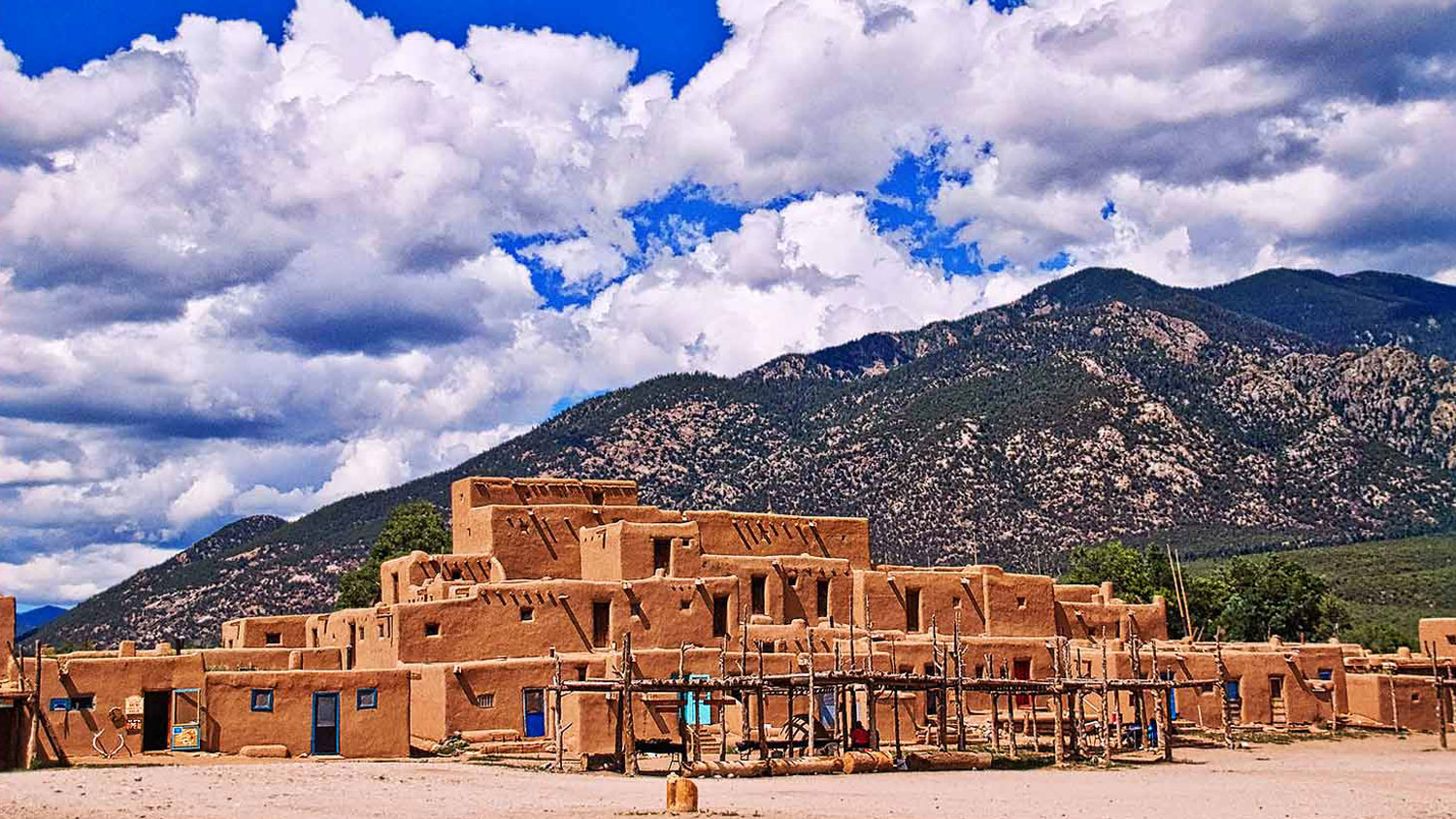 Taos Pueblo, “a thousand years of tradition” is designated both a World Heritage Site by UNESCO and a National Historic Landmark
That’s what it means to be native to something. Not just using it. Living inside it. Shaped by it. Shaping it back.
So when I hear the term AI native, I don’t think about software. I think about that.
Our digital lives are moving so fast right now. It feels like digital generations are flying by. What was once science fiction — and honestly, sometimes horror — is today’s reality. What’s possible is incredible and terrifying in the same breath. I hold both of those things at once and I think you probably do too.
Being “AI native” has become a phrase people throw around to mean something like comfortable with AI or early adopter. But I think it’s something more demanding than that.
Anthropic thinks about AI fluency through what they call the 4 D’s: Delegation, Description, Discernment, and Diligence. Working with AI in ways that are effective, efficient, ethical, and safe. The key insight is that the best use of AI is as a thought partner — not full delegation. Not handing it the wheel and looking out the window.
When I first read that framework, something clicked.
It sounds almost exactly like what my people call original instructions.
Original instructions are the core values that indigenous people carry. They’re not specific rules or laws. And they might look different in every culture. But they’re the deep guidance that teaches you how to act, how to be, and when to do something. And we pass them on through story.
My ancestors have a story about how we came to be. Our people followed a guide along the path of the Milky Way until we reached our ancestral lands in what is now northern New Mexico. The journey spans generations. Each generation faced a difficult decision and encountered strife with one another. It gave them a reason to stop, to give up, to go a different way. And in each generation some chose to persist. To keep going. To trust the guide. And some did not.
I feel like I’m living inside a version of that story right now.
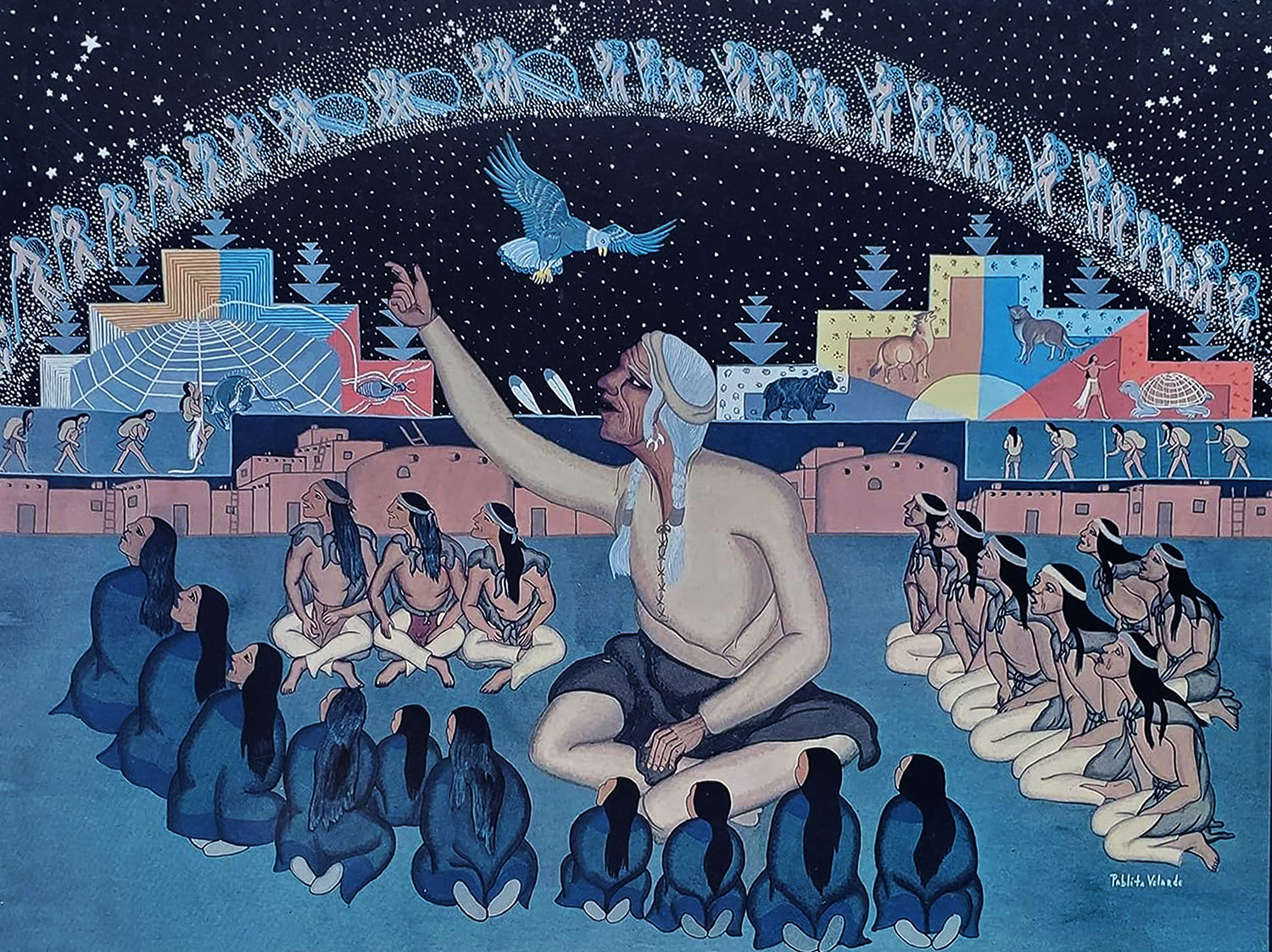 Pablita Velarde, storyteller from Santa Clara Pueblo, retells the story of Long Sash (Orion) leading his people through the stars to find the land Pueblo people inhabit in her book “Old Father Story Teller” (cover shown)
AI is the new environment. We are all on a journey through it. And the question isn’t whether you use it — it’s how you choose to shape it and how it will shape you.
I think you probably wonder if all this AI stuff is too hard, too scary, and that maybe it’s easier to not keep learning and moving through it.
Becoming AI native, to me, means committing to the ethical, safe, efficient, and effective path. Not because it’s easy or obvious. Because it requires something.
Not everyone will do that. Some people will fight with it. They will take this technology and twist it into something gruesome and inhumane. That’s already happening.
But we must not.
As AI becomes more woven into our lives, into how we work, create, think, communicate. We have to consider the original instructions of its makers. What values are baked into the thing? What is it designed to do and not do? What does it mean to use it well or waste it?
These aren’t abstract questions. They’re the same questions my ancestors were asking, standing at a fork in the path under the Milky Way.
Fight ourselves and stop. Or keep going?
Maybe someday we’ll look around at what we built together and say: this land is good.
I’m hoping for that.
Cheers, friends.